
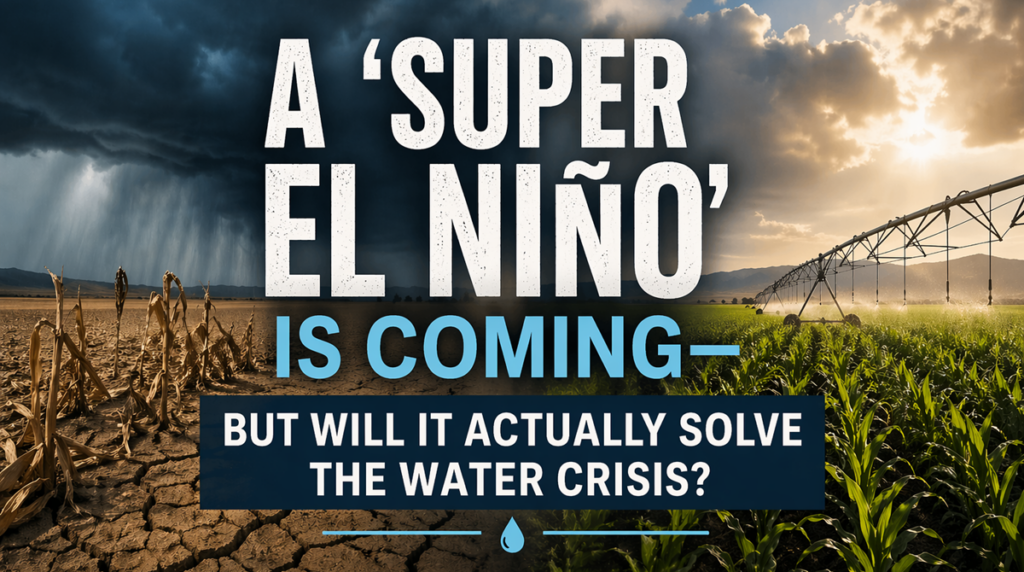
A ‘Super El Niño’ Is Coming—But Will It Actually Solve the Water Crisis?
As news spreads about a potential “Super El Niño”—a rare and powerful weather event that has only been recorded a handful of times—there’s growing optimism that long-awaited rains could finally bring relief to drought-stricken regions.
But history—and real-world results—show a different story.
While El Niño can dramatically shift weather patterns, it doesn’t guarantee reliable water where—and when—you need it most. In fact, history shows that even the strongest El Niño events often create more uncertainty, not less.
And for farmers, ranchers, and municipalities, uncertainty is the real risk.
What Is a “Super El Niño”?
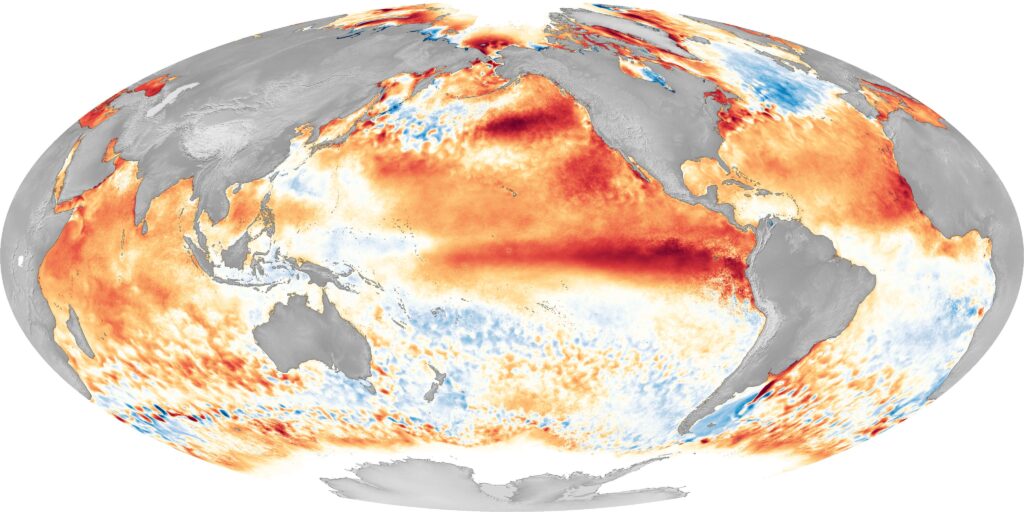
El Niño is part of a natural climate cycle that warms surface waters in the Pacific Ocean, shifting atmospheric patterns around the globe.
A “Super El Niño” is an unusually intense version of this cycle—strong enough to significantly disrupt normal weather patterns.
Historically, major El Niño events have:
- Increased rainfall in parts of the southern United States
- Caused drought conditions in other regions
- Disrupted growing seasons
- Triggered both flooding and water shortages at the same time
In other words, it doesn’t bring uniform relief—it reshuffles the deck.
Why El Niño Doesn’t Solve Water Problems
It’s easy to assume that more rain equals more water security. But in reality, the connection isn’t that simple—especially when you consider the broader water challenges many landowners face year after year, regardless of short-term weather patterns.
1. Rainfall Is Uneven and Unpredictable
El Niño doesn’t impact every region the same way. Some areas may receive above-average rainfall, while others remain dry—or even become drier than usual.
In some cases, these shifting patterns can contribute to drier conditions in parts of the western and southwestern United States, depending on how the system develops.
Even within the same state, results can vary dramatically.
2. Timing Matters More Than Totals
Rain that arrives too early, too late, or all at once may do little to support agriculture or replenish water supplies.
- Heavy storms can lead to runoff instead of absorption
- Crops may miss critical growth windows
- Reservoirs may not capture enough water efficiently
3. Surface Water Is Temporary
Even when rainfall is significant, it often provides only short-term relief.
- Soil dries out quickly in hot conditions
- Reservoir levels fluctuate
- Increased demand can offset gains
Without a consistent source, water shortages return—sometimes faster than expected. This is one of the most common issues behind water wells that stop producing enough water over time.
4. Extreme Weather Can Make Things Worse
Strong El Niño events are often associated with more extreme conditions, including:
- Flooding that damages crops and infrastructure
- Soil erosion that reduces long-term land productivity
- Disrupted planting and harvesting cycles
So instead of solving water problems, El Niño can actually add new risks.
The Bigger Issue: Relying on Weather for Water
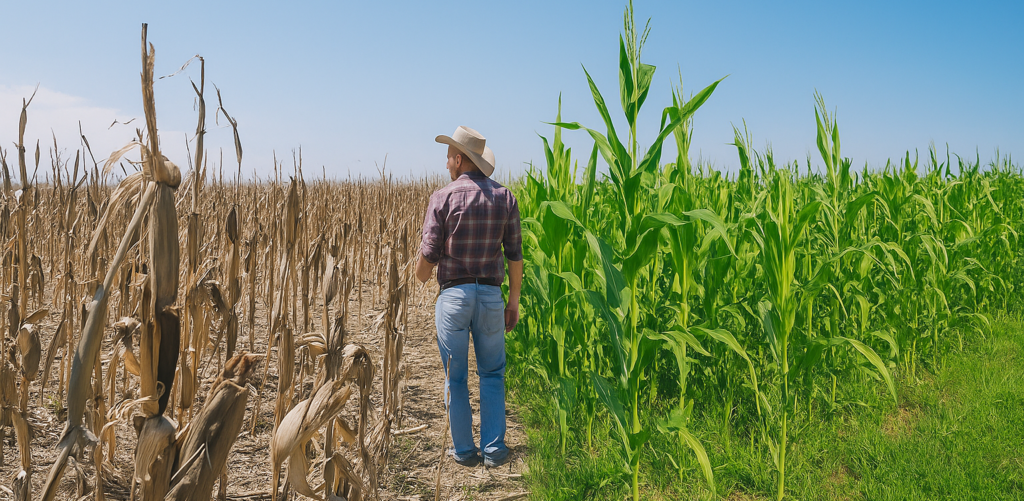
The real challenge isn’t El Niño itself—it’s the reliance on unpredictable weather cycles as a water strategy.
Year after year, many landowners and municipalities find themselves asking:
- “Will this be the year we finally get enough rain?”
- “Should we wait one more season before taking action?”
But weather patterns are becoming more volatile, not more reliable.
And waiting comes at a cost:
- Lost crop yields
- Reduced grazing capacity
- Increased operational stress
- Rising expenses tied to water scarcity
A Different Approach: Securing Water Below the Surface
Instead of waiting for rain, more farmers, ranchers, and municipalities are taking a different approach—identifying reliable groundwater sources beneath their land.
Unlike surface water, properly located groundwater:
- Is not dependent on seasonal rainfall
- Can provide consistent, long-term supply
- Supports planning with greater confidence
- Reduces exposure to climate variability
This is where advanced groundwater discovery comes in.
AquaterreX uses a combination of advanced geospatial data, satellite analysis, and on-site validation to locate both shallow and deeper water systems—helping identify viable drilling locations with a high degree of accuracy.
For larger properties, a Free Water Discovery Assessment can provide a clear, data-driven view of your groundwater potential before you make drilling decisions.
This Earth Day: Think Beyond the Forecast
Earth Day is a reminder to think long-term about sustainability and resource management.
But true water sustainability isn’t about hoping for better weather.
It’s about building resilience—so your operation, your land, or your community isn’t dependent on it.
Don’t Wait for El Niño to Decide Your Water Future
A “Super El Niño” may bring headlines—and even some much-needed rain.
But it won’t eliminate the uncertainty that comes with relying on weather alone.
If water is critical to your operation, the better question isn’t:
“Will it rain enough?”
It’s:
“What’s the most reliable water source available to me right now?”
See What’s Possible Beneath Your Land
AquaterreX offers a Free Water Discovery Assessment for qualifying properties (200+ acres), providing a data-driven evaluation of your land’s groundwater potential.
- Understand your water options
- Reduce drilling risk
- Plan with confidence for the seasons ahead
Start your assessment today and take the guesswork out of water.